

You haven't even bought the turkey yet and your shoulders are already tense.
Maybe it's the group chat about who's bringing what to Thanksgiving dinner. Maybe it's the calendar that suddenly has something booked every weekend until 2027. Or maybe it's knowing exactly which relative will ask which inappropriate question.
Whatever the trigger, your body picks up on it early, and it’s not uncommon for that to be sustained throughout the rest of the holiday season. Here's what's going on, and what you can do about it.
Your nervous system is always scanning for cues about whether things feel safe, predictable, and manageable (polyvagal theory calls this “neuroception”). Unsurprisingly, the holidays stack a lot of chaotic cues at once: crowded rooms, noise, disrupted sleep, different food, money worries, family roles you thought you'd outgrown, and a pile of expectations about how you're supposed to feel or act.
When enough of those add up, your system can tip into sympathetic activation (fight or flight). That can look like irritability, a racing mind, snapping at someone you love, or a long to-do list that feels unending and threatening. It can also tip the other way, into a freeze or shutdown: feeling numb, foggy, wanting to disappear into the couch and cancel all your plans.
Both responses are your body trying to protect you, but they’re not exactly effective for getting through the holidays without a breakdown.
5 small ways to navigate holiday stress
#1: Keep your anchors.
Prioritizing sleep, regular meals, and some daylight before noon are boring, and they work. When the holidays have your schedule bouncing all over the place, these are the things your nervous system leans on for consistency. A steady bedtime gives your body sufficient time to recharge, even when the days around it feel unpredictable.
#2: Plan your exit before you need it.
Decide ahead of time how you’ll take a break. Maybe that’s a walk around the block, a trip to the bathroom, or offering to help in the kitchen. When you’re already overwhelmed, your thinking brain goes offline and it’s hard to invent a plan on the spot. A plan you made while calm and regulated is waiting for you when you need it, so you don’t have to figure out anything in the moment.
#3: Reset between events.
After a gathering, give your body a few minutes to catch up. Breathe out longer than you breathe in, or try one of these grounding tools. Put your feet flat on the floor, then look out a window and name five things you can see. None of this is fancy, but that’s the point. These practices signal rest to your body, so you can come down a bit before running to the next thing.
#4: Get curious about your parts.
Is there a part of you that over-functions and takes care of everyone at the table? Is there another part that goes quiet and agrees to everything just to keep the peace? Both of them learned these jobs for good reasons. You don’t have to fight them or push them away. Instead, try thanking them for working so hard, then ask what they’re afraid will happen if they relax a little. Their answer can tell you a lot about what your body is bracing for, and give you some good guidance on how to ease some of the pressure you’re feeling.
#5: Lower the bar on purpose.
Let me shout it from the rooftops: You’re allowed to buy the pie at the store!!! You’re allowed to leave Thanksgiving dinner at 8pm!!! You’re allowed to say no to the third invitation in one weekend!!! Many capable, high-achieving people treat the holidays like a performance review, and that pressure keeps your body in survival mode. Enjoy the parts you actually enjoy and skip the rest. Less effort means more energy left for the moments that matter to you.
If you lean avoidant, the work looks different. Notice the urge to leave, like your body turning toward the door or your mind going blank. Then see if you can stay two more minutes with your feet on the floor. The goal here isn’t to force yourself to be uncomfortable, but to practice tolerating moments that feel big and overwhelming, and reminding yourself that you’re safe.
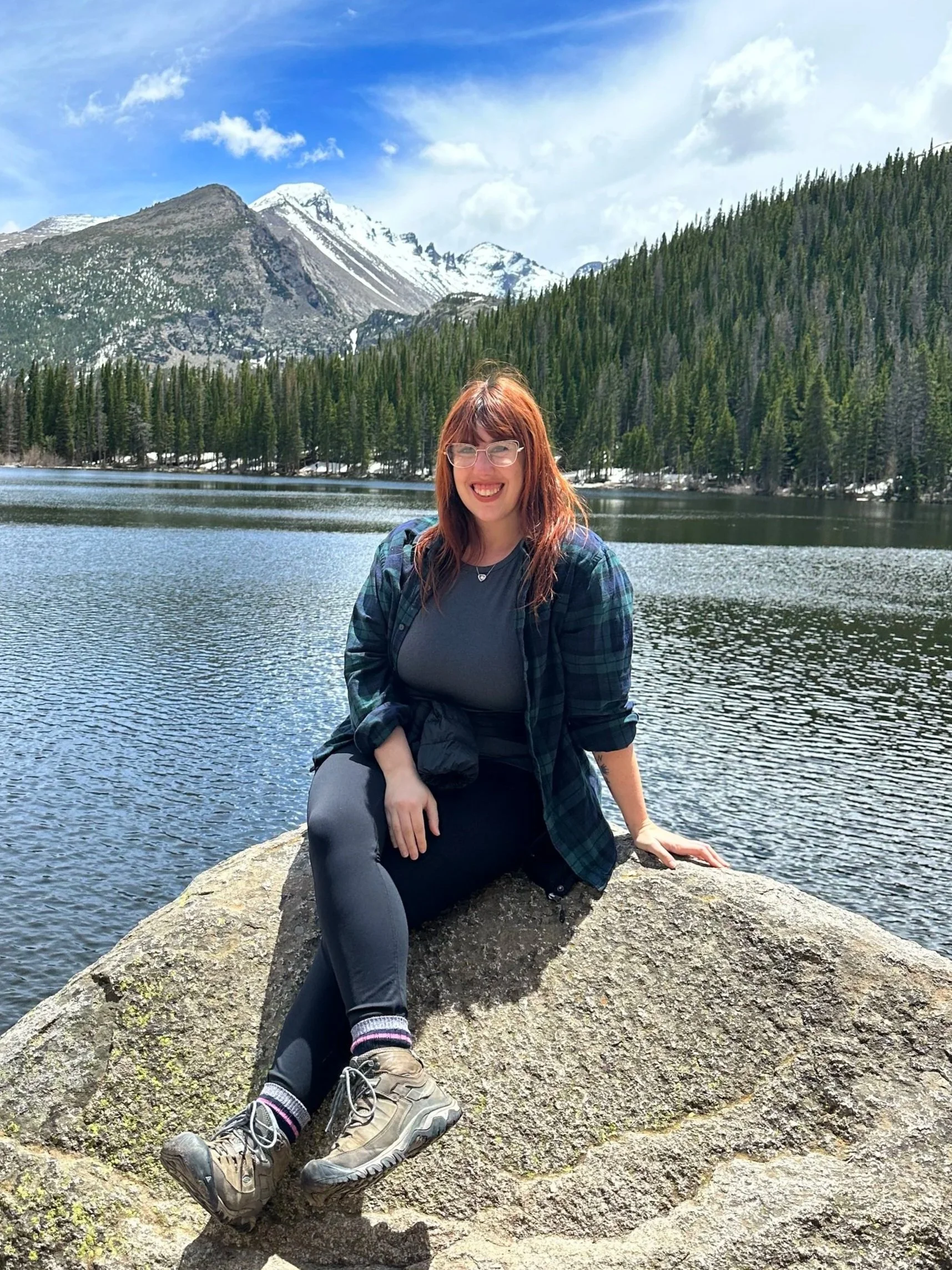
Hi, I’m Laura (she/her), a licensed anxiety and trauma therapist.
I provide holistic online therapy in Los Angeles and across California, serving anxious people-pleasers, high achievers, and neurodivergent adults who are ready to explore themselves deeply and live a fuller, more meaningful life. I work with folks navigating anxiety, trauma, neurodivergence, LGBTQIA+ identity, and challenging relationships.
By integrating both experiential and evidence-based techniques, such as ACT, EMDR, Brainspotting, IFS, and mindfulness, I provide therapy that addresses the mind, body, and soul. My goal is to help you feel less anxious, heal from painful past experiences, and find your way back home to yourself.
Learn more about me here!