7 Ways to Reconnect With Your Body (When You Live in Your Head)

If you had asked me how my body felt during a stressful week, I would have simply said “not good” 😬
I teach nervous system regulation for a living, and for a long time I couldn't describe what dysregulation felt like in my own body.
Looking back, I can name it now: my jaw clenched, other muscles tightened, warmth spread through me, my heart skipped or sped up, and a heavy, tired feeling settled in when I was overwhelmed. I just wasn't slowing down enough to notice any of it. I was too busy paying attention to everyone else.
That's what disconnection from your body can look like: getting through the day on autopilot, attuned to the people around you, but neglecting the cues that your own body is trying to give you.
Basically, feeling disconnected from your body means having a hard time noticing or trusting what it's telling you, like hunger, tension, tiredness, or emotion. This is truly something I hear from folks in my practice on the daily. So the good news is, if this sounds like you, you’re not alone! But the bad news is, this is so common and that means so many people are missing a crucial piece of their emotional and mental health.
What disconnection from the body can look like:
Numbing: when things get overwhelming, feelings and sensations get turned down (or turned off) to protect you
Feeling detached: like you're watching yourself from the outside, or your body doesn't quite feel like yours
Memory gaps around hard times or feeling like you’re constantly missing something
Physical symptoms with no clear cause, like ongoing pain, stomach trouble, or fatigue (these deserve a medical check, so please don't automatically assume it's stress — but stress can definitely exacerbate existing medical conditions)
Pushing through hunger, tiredness, or pain because other things feel more important
Avoiding your body, whether that's movement, touch, or being alone with yourself
Autopilot choices about food, rest, and exercise, driven by outside pressure instead of what your body is telling you
Your mind and body work as one system, and it's hard to regulate what you can't feel. Body awareness can support how you handle stress, how you understand your emotions, and how you make everyday choices, and it’s definitely part of the deeper work of healing from difficult or traumatic experiences. Disconnecting can bring real relief in the short term, but over time, it almost always costs you more.
If this is new for you, go slowly. If noticing your body feels like too much, shorten the practice, keep your eyes open and your feet on the floor, and stop when you need to.
Here are 7 ways to reconnect with your body, when you’re usually stuck in your head:
#1: Start with your breath.
Make your exhale a little longer than your inhale. Try breathing in for 4 and out for 6. Many people find that a long, slow exhale helps their body settle down, and it's a good first step because you can do it anywhere. No one has to know you're doing it because you look like you’re just breathing normally.
Alternatively, try a humming bee breath. Take a normal breath in, then hum softly as you breathe out, like a quiet bee. You may feel a buzz in your chest, your throat, or your face. The buzz connects to your vagus nerve and also redirects your attention in a healthy way. If focusing on your breath makes you feel more anxious, skip this one for now and try #3 or #5 instead.
#2: Try a body scan, without judgment.
Sit or lie down somewhere comfortable, and let your eyes close or gaze soften. Start at the top of your head and move your attention slowly down to your toes. Notice whatever you notice as you move your attention through your body. You might find tension, warmth, tingling, heaviness, or nothing at all. All of it is information.
The hardest part, usually, is not judging what you find. You don’t have to make meaning out of it, but just notice what signals come up. Try narrating your sensations (“my jaw is tight. My shoulders are clenched”). If there's a spot you want to skip, skip it. One to three minutes is a good start.
#3: Notice your environment with your 5 senses.
Your senses keep you in the present moment, and the present moment is where your body lives. Choose one thing to notice around you: music you love, a candle, a piece of dark chocolate in your mouth, or a soft blanket on your legs. Using your five senses on purpose can bring you back to the present and back to your body.
Go slowly and stay curious. What does the blanket feel like under your fingertips? What does the chocolate do as it melts? The goal is to pay attention, not to get perfectly relaxed. If your mind wanders, that's normal. Notice that it wandered, and come back to the sensation.
#4: Tense and release your muscles.
In progressive muscle relaxation, you squeeze one muscle group for about five seconds, then let go. Start with your feet and work up: calves, thighs, belly, hands, arms, shoulders, face. Squeeze firmly, but not so hard that it hurts. Then release all at once and pause for a few breaths before moving on. Of course, skip any spot that's injured or painful.
The magic is in the contrast. After a squeeze, the release can feel warm or heavy, and that's your body showing you the difference between tight and loose. Many of us hold tension for so long that we forget what "loose" feels like. Through this contrast, you can become more connected to your body and begin noticing different sensations as they come up naturally.
#5: Try open-ended movement.
Stretch, walk, dance in the kitchen, do yoga, or lift weights. Any kind of movement works. The key is to pay attention to how it feels while you do it. Where do you feel the stretch? What happens to your breathing when you pick up the pace? Is your jaw tight?
Then let your body take the lead by following its urges. If your shoulders are begging for a slow roll, roll them. If your legs want to walk farther, walk farther. If something hurts in a bad way, change what you're doing. This is movement as a conversation with yourself, not a punishment or an agenda.
#6: Go outside.
Many people find it easier to notice their body when the outdoors does some of the work. If you have access to a nearby nature area, great! If not, that’s okay. A porch, a park bench, or one tree at the edge of a parking lot will do. Try sitting or standing for a few minutes with your feet on the ground, leaving your phone in your pocket.
Look at the trees or the sky, and listen for the farthest sound you can hear. Wind, water, and birdsong give you gentle sensory input without being overwhelming. That can be a relief if a body scan feels like too much. Let the outside world be the focus, and notice what your body does in response, like your shoulders dropping or your breath getting deeper.
#7: Make tiny check-ins a habit.
Reconnecting works best in small pieces that happen repetitively. Pick two or three moments you already have every day, like your first sip of coffee, lunch, or brushing your teeth at night. At each one, ask a simple question: what is my body telling me right now? Take ten or twenty seconds, no more. Then answer with one word that's more specific than "fine" or "not good." Try words like tight, buzzy, heavy, warm, hollow, fluttery, or tired. Naming one sensation at a time is how a vague feeling turns into something you can respond to and work with. Do it for a few weeks and you may notice your signals showing up earlier and more naturally.
Your homework: Pick one practice, set a timer for 30 seconds, and see what happens.
This work can feel scary, or uncomfortable, or awkward, or weird, but that’s just because it’s unfamiliar. You got this!
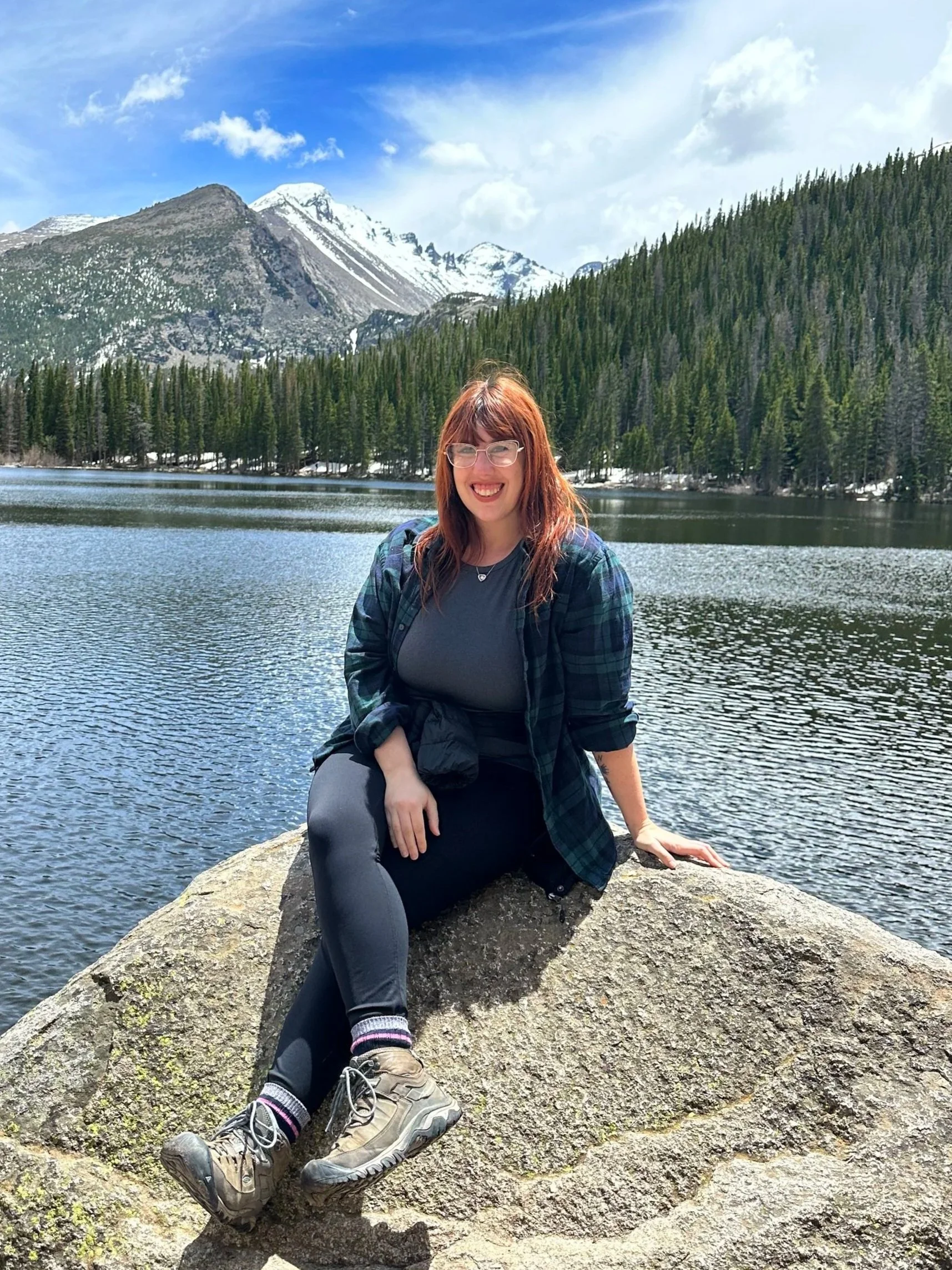
Hi, I’m Laura (she/her), a licensed anxiety and trauma therapist.
I provide holistic online therapy in Los Angeles and across California, serving anxious people-pleasers, high achievers, and neurodivergent adults who are ready to explore themselves deeply and live a fuller, more meaningful life. I work with folks navigating anxiety, trauma, neurodivergence, LGBTQIA+ identity, and challenging relationships.
By integrating both experiential and evidence-based techniques, such as ACT, EMDR, Brainspotting, IFS, and mindfulness, I provide therapy that addresses the mind, body, and soul. My goal is to help you feel less anxious, heal from painful past experiences, and find your way back home to yourself.
Learn more about me here!