How to Use Nature to Support Your Mental Health
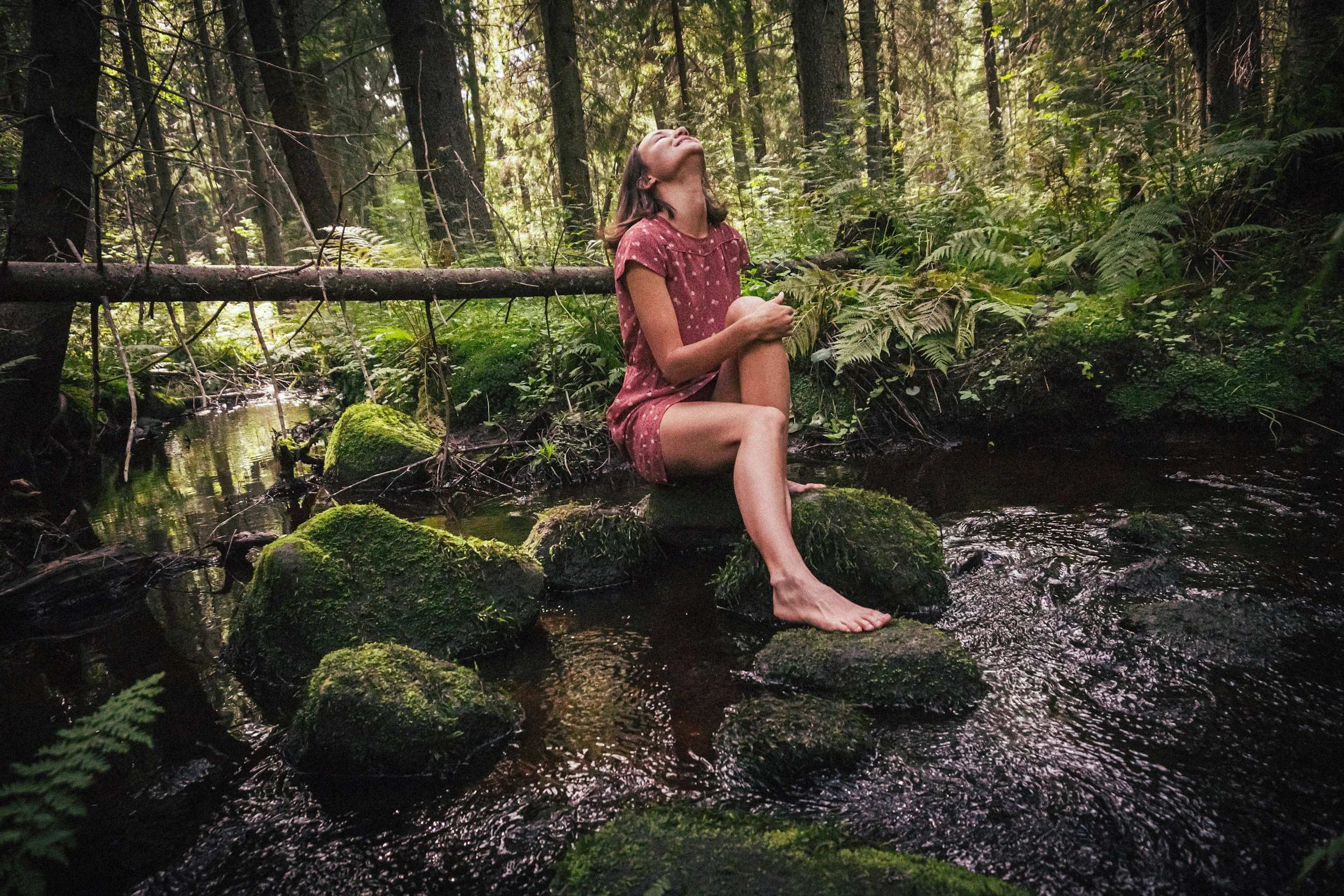
Maybe it’s the conditioning from my millennial childhood, but there’s something about sunshine, blue skies, and being near trees or water that just feels good.
But it’s not just me. There's a reason you feel better after a walk outside or a day at the beach.
Research consistently shows that time in nature reduces stress, boosts mood, and supports better overall mental health. (One study found that even gazing at nature on a computer screen for 40 seconds had measurable benefits for mood. Forty seconds!!!) The effect is real, it's fast, and it's available almost anywhere.
So, what is this magic and how does it work?
What nature does for the nervous system
When you're out in nature, your nervous system is more easily able to shift out of the sympathetic state (“fight or flight”) into the parasympathetic state (calm, rest, relaxation). As a result, this lowers cortisol levels and increases serotonin, one of the body’s natural hormones responsible for regulating mood, digestion, appetite, and sleep. AKA: your stress hormone goes down and your feel-good mood hormones go up, at the same time, just from being outside.
So that peaceful feeling you get after a walk in the park or while sitting under a tree isn’t placebo. It’s your nervous system responding to a calmer, safer, and more grounded environment.
Bonus fun fact: nature also helps with something called attention restoration. When we're constantly plugged into phones, laptops, and notifications, we burn out our brain's capacity to focus. But in nature, where stimuli are gentle and unhurried, those cognitive resources replenish.
Humans crave nature, even when we don’t realize it. Ultimately, we are biologically wired to be in tune with the natural world. Evolutionarily, we spent most of our time outside, not in fluorescent-lit offices with fluctuating AC and WiFi. Our senses are inherently soothed by things found in the natural world:
The sound of rustling leaves, waves crashing, or birds chirping
The warmth of the sun, coolness of a breeze, or feel of grass underfoot
The smell of pine or the earth after it rains
Insert your favorite nature sensation here!
Thankfully, you don't need to live near a national park or have hours of free time to benefit from nature’s gifts.
If this is all sounding quite lovely and inspirational, here are 8 ways to use nature to support your mental health (no matter where in the world you are):
1. Go for a walk or hike.
This one’s a classic for a reason. Walking outdoors, especially in green spaces, helps reduce anxiety and regulate your nervous system. The key is to make it mindful. Don’t just power walk to burn calories; instead, really notice your surroundings. What do you see, smell, hear, and feel underfoot? This kind of mindful movement can ground you in the present and focus your attention in an adaptive way. Even if you’re in an urban area, a tree-lined street or local park can offer the same benefits. You don’t need to be on a remote mountain trail to feel connected to the earth.
2. Turn the outdoors into a mindfulness practice.
Nature is one of the best places to practice mindfulness (no meditation app or perfect yoga pose required). Try watching clouds move across the sky, listening to birds outside your window, or observing the way sunlight hits your plants. Even short practices like stargazing, cloud watching, or sitting in silence in a backyard or balcony can help you regulate emotionally and shift your mindset. Bonus: You’re also giving your eyes a break from screens, which your brain really appreciates.
3. Take your everyday activities outside.
As I’m writing this, I’m sitting on my patio, with a big tree in front of me. Once you open your mind to the option, so many things we do indoors can happen outside — most with very little effort. Reading? Grab a blanket and sit outside. Journaling? Try it on a local park bench or on the patio of your fave coffee shop. Working from home? Write those emails from your backyard or patio. And if you're into fitness or movement, there’s something extra motivating about doing outdoor yoga, stretching, or free weights with the fresh air all around you.
4. Become a plant parent.
If you’re more of a homebody or live somewhere where going outside is not as feasible, bring nature indoors. Houseplants can actually help improve mood, reduce stress, and even clean your air. Plus, the act of caring for something living (like watering it and watching it grow 🥹) can give you a tiny daily dose of purpose and joy. And if, like me, you don’t have a green thumb, there’s no shame in the faux plant game. Even looking at greenery has emotional regulation benefits.
5. Try “virtual nature” when you’re stuck inside.
Sounds weird, I know. But research shows that even looking at pictures or videos of nature can reduce stress and support attention. If you’re stuck inside or the weather isn’t cooperating, queue up a nature soundscape on YouTube (think rain sounds or forest ambiance) or play a calming nature video in the background while you work. It’s not quite the same as being in the forest, but it is a great tool if you’re out of other options.
6. Do some grounding in the grass.
If you’re somewhere grassy (and it’s not full of questionable bugs), try kicking off your shoes and standing barefoot for a minute or two. For bonus points, lie down on the grass. Whether standing, sitting, or laying down, this is called earthing and many people find that it helps them feel grounded and centered. You can pair it with a deep breathing exercise or a quick body scan to boost the mindfulness benefits.
7. Create a nature ritual.
Rituals help create rhythm and structure, especially when we’re anxious. Try building a nature-based habit into your week, like a Sunday morning walk, sunset cocktail or mocktail on the balcony, or five minutes of stretching with the windows open. This becomes something you can look forward to while gently anchoring your nervous system.
8. Get curious and explore.
Nature is endlessly fascinating when we take the time to really notice it. Try noticing new flowers blooming in your neighborhood, tracking the phases of the moon, or learning to identify a few birds or trees. The act of observing and learning about your environment can spark curiosity, joy, and a greater sense of belonging in the world.
If your mental health needs some support right now and you're not sure where to start, go outside. Or open a window. Or put a plant somewhere you'll actually see it. One small shift in the direction of nature tends to make more feel possible.
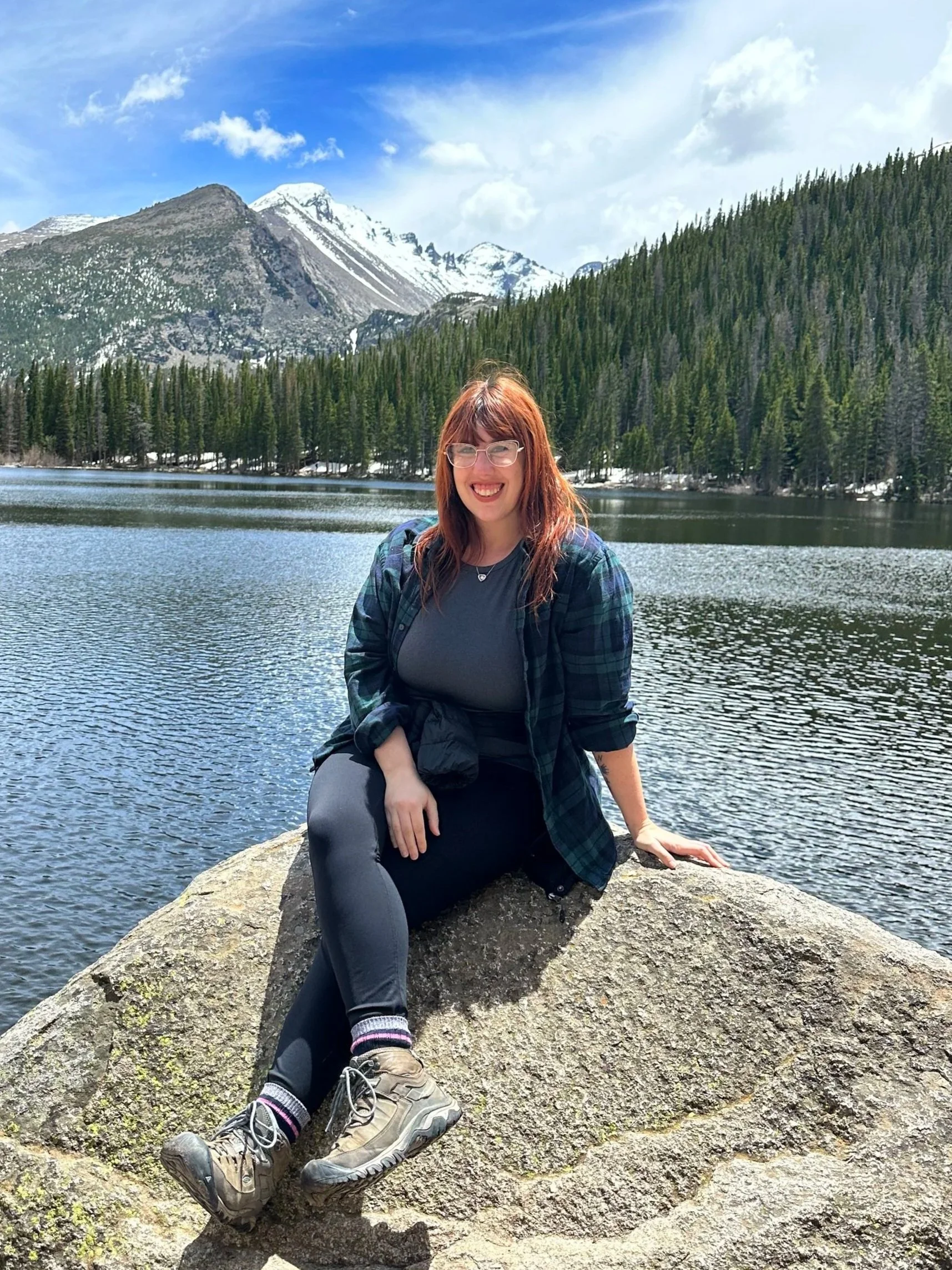
Hi, I’m Laura (she/her), a licensed anxiety and trauma therapist.
I provide holistic online therapy in Los Angeles and across California, serving anxious people-pleasers, high achievers, and neurodivergent adults who are ready to explore themselves deeply and live a fuller, more meaningful life. I work with folks navigating anxiety, trauma, neurodivergence, LGBTQIA+ identity, and challenging relationships.
By integrating both experiential and evidence-based techniques, such as ACT, EMDR, Brainspotting, IFS, and mindfulness, I provide therapy that addresses the mind, body, and soul. My goal is to help you feel less anxious, heal from painful past experiences, and find your way back home to yourself.
Learn more about me here!